BeeSkilled - BeeSocial
National Lottery Funded
The BumbleBee Alliance have been funded in Spring 2026, by the National Lottery – Heritage Fund to provide a project called BeeSkilled – BeeSocial.
Bees are at Risk
BumbleBees and wild bees in Kent, are currently at risk with several species facing population decline, extinction. Honeybees are also at risk with year on years decline in colonies reported, reducing bee numbers considerably.
Our Project Focus
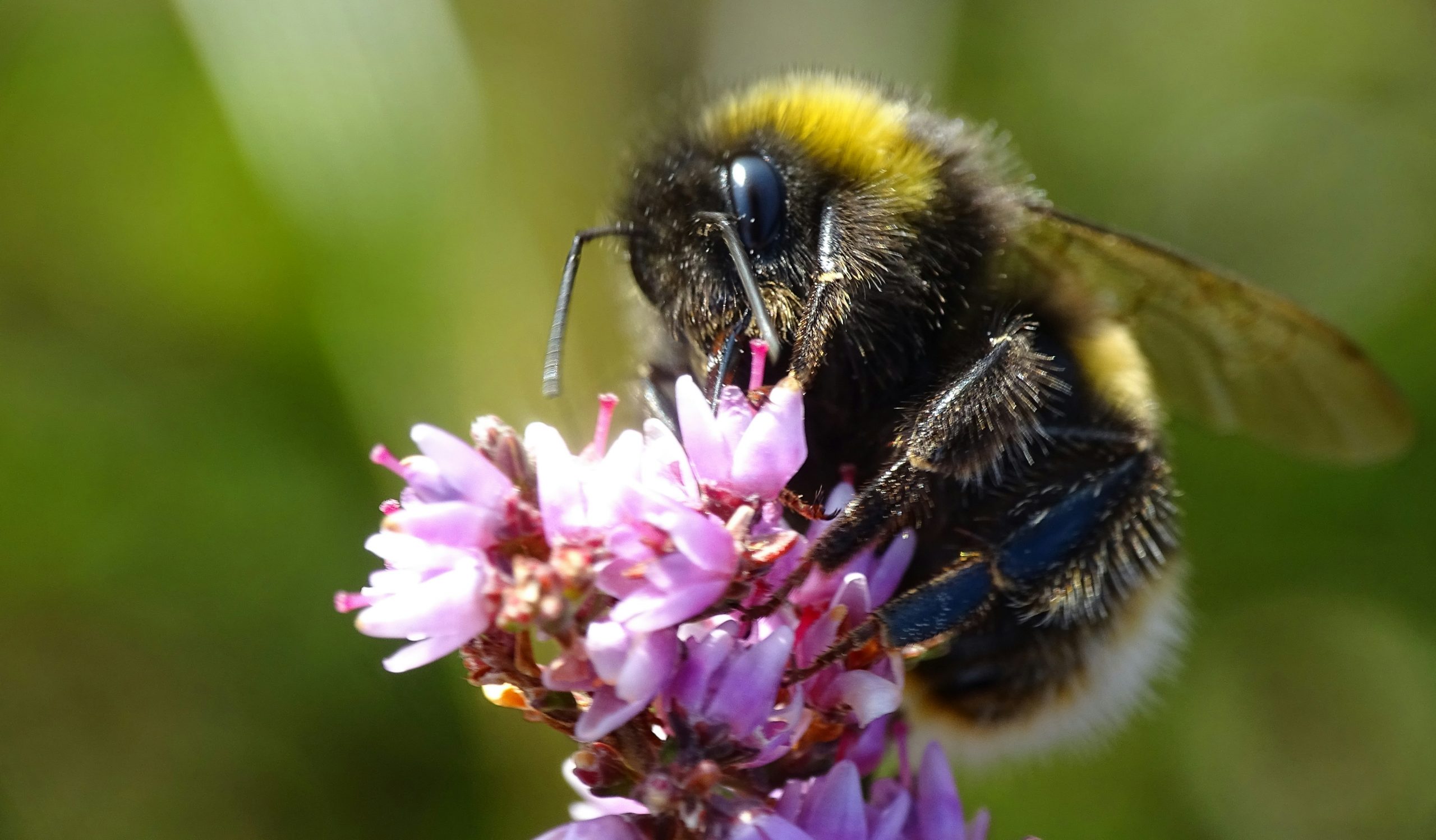
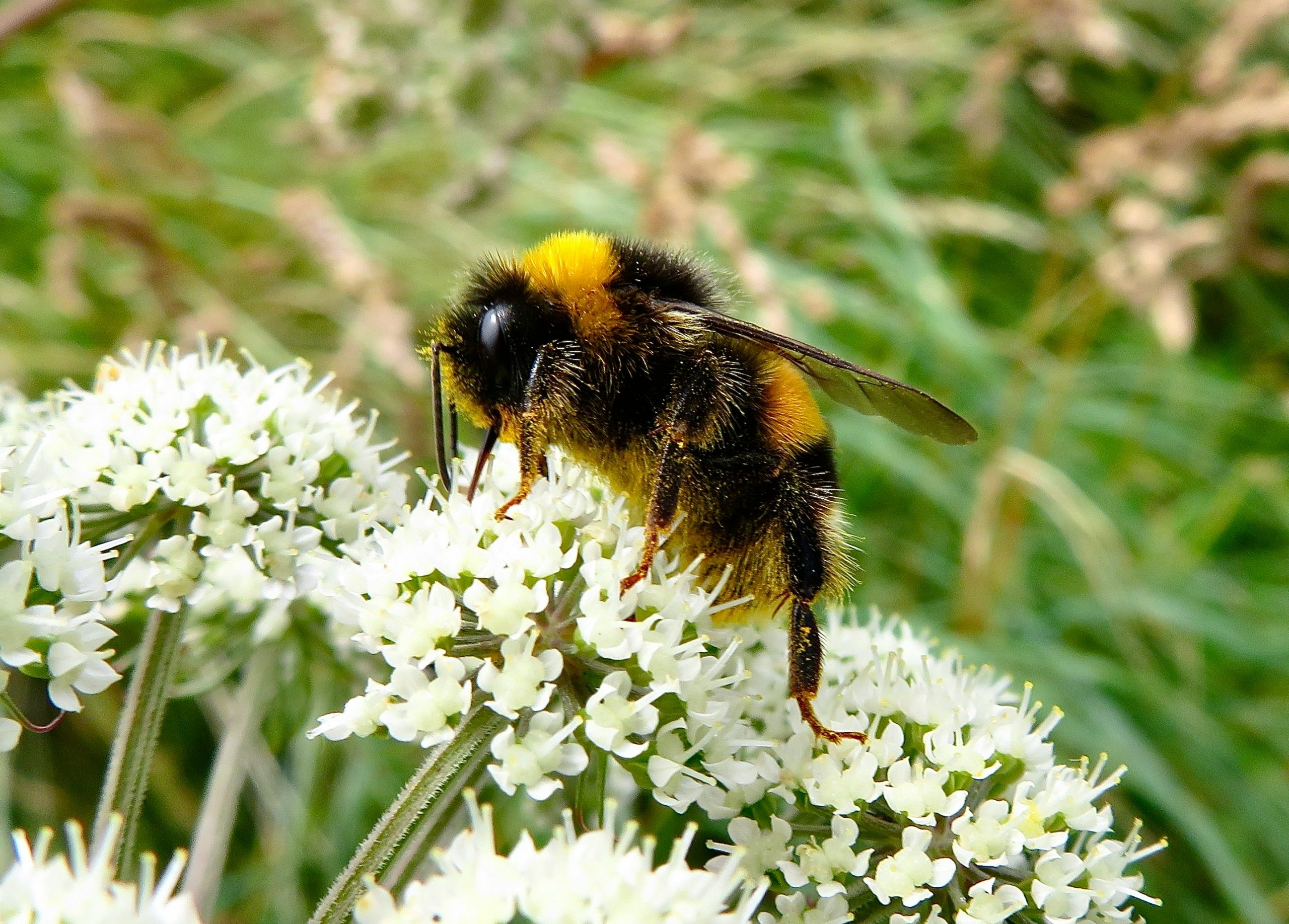
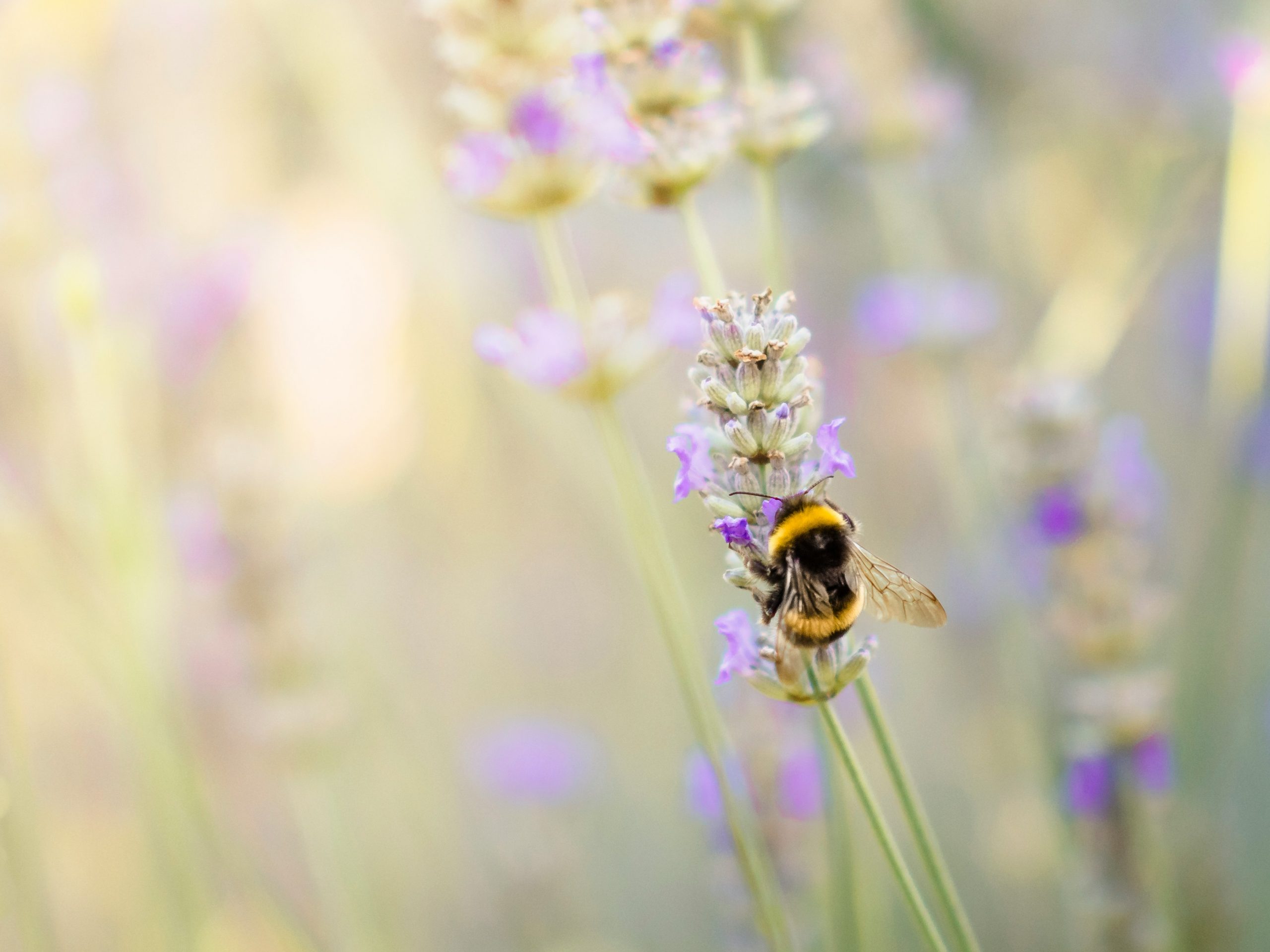
BeeSkilled – BeeSocial is a Natural Heritage project in relation to Bees. The project efforts are hoping to address the threats to bumblebees and ensure their long term survival in Kent recognising their vital role in pollinating wildflowers and crops.
Bees are often misunderstood by the general population with the vast majority of people confused, unable to distinguish between different types of bees and their significance as main pollinators.
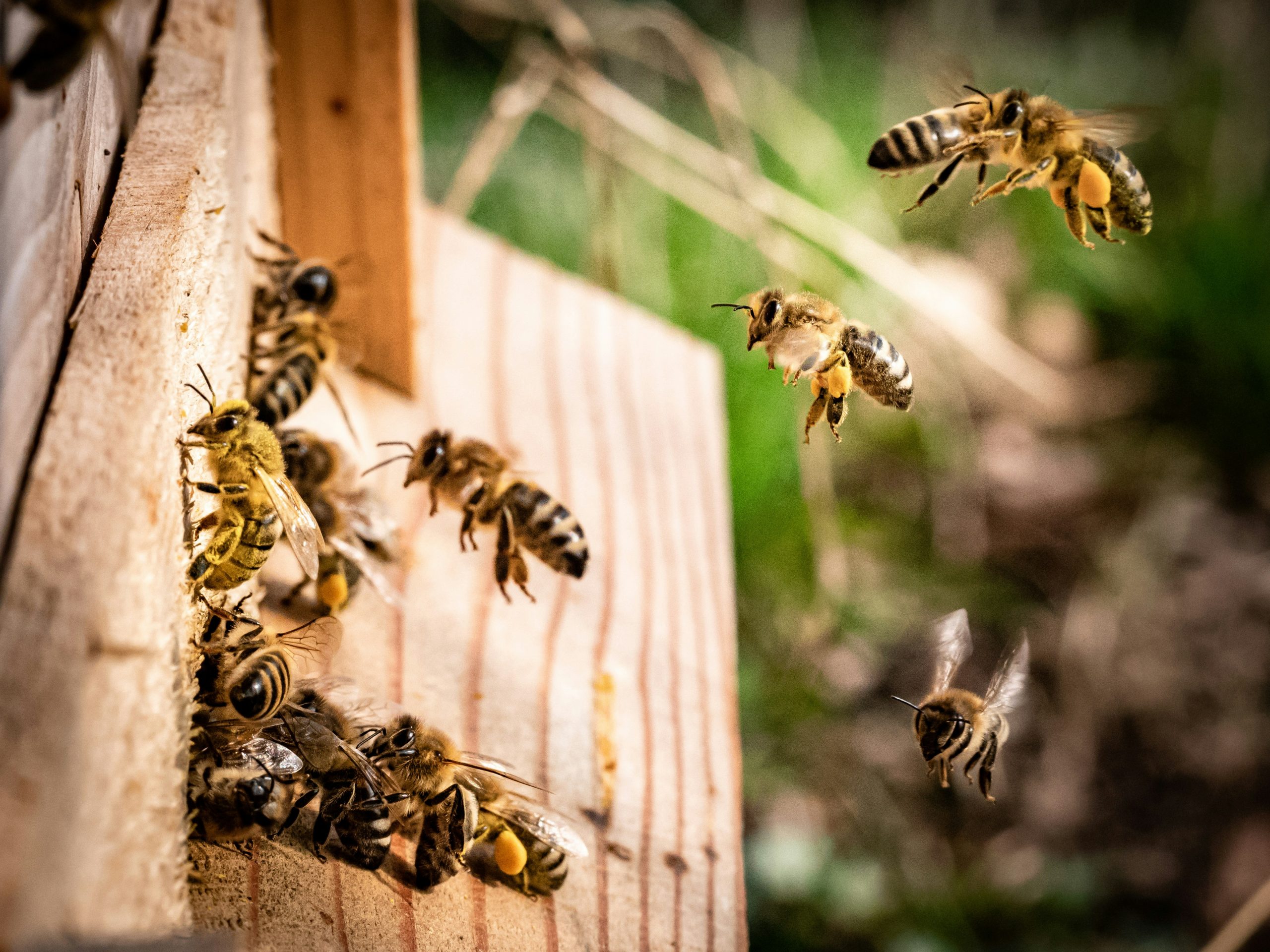
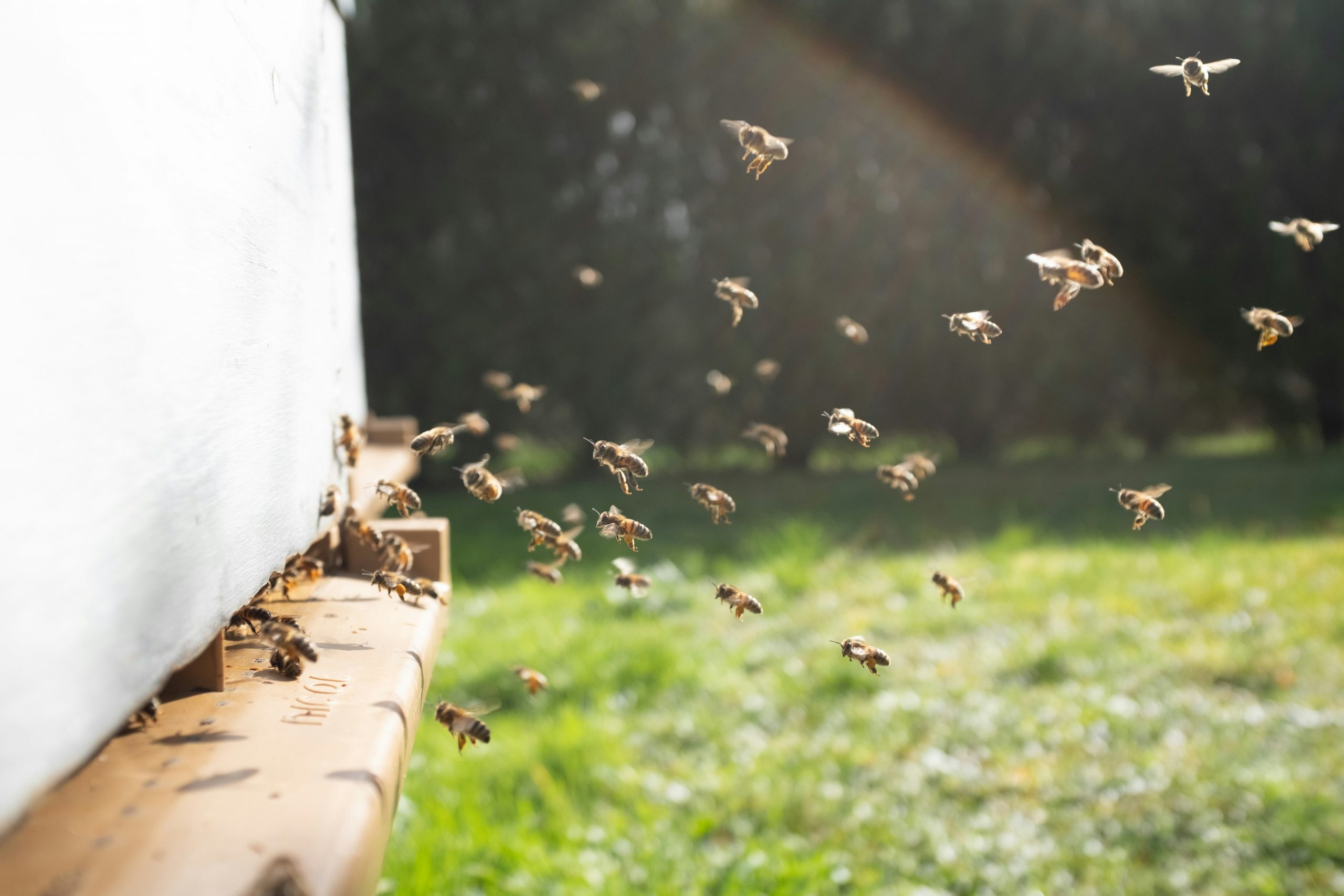
Our Bee heritage project will ensure people receive excellent learning, heritage skills and social opportunities in relation to ‘BUMBLEBEES’, ‘HONEYBEES’ and ‘OTHER BEES’ ensuring an understanding of the differences, which will also include the rich blend of natural history, human culture, and symbolic meaning in relation to bees that spans millions of years.


Reasons for the decline
in Bee Populations:
A major factor in bees decline with loss and fragmentation of their habitats due to modern farming practices and urban development. Significant losses of Wildflower meadows, crucial for foraging, nesting.
Disruptions in seasonal patterns and extreme weather affects bee behaviour, survival rates and availability of food sources.
Diseases from honeybees can spread to wild bumblebees, invasive species like the Asian Hornet also pose significant threats to native bee populations.
Loss of diverse flowering plants due to agricultural practices limits food sources for bees.
There is a recognised, UK and global shortage of qualified, experienced and knowledgeable experts in bumblebee and other wild bee species. The lack of entomological expertise impedes effective conservation, monitoring, research and an absolute scarcity in opportunities for knowledge and skills access for learning about bees and related bee heritage skills for the general population. A lack of knowledge and skills most certainly contributes to the endangerment and decline of bumblebees, wild bees and honeybees. Increased knowledge, skills and understanding definitely fosters better practices such as creating bee pollinator-friendly gardens and spaces.
Differentiating between species and understanding their unique needs can be difficult for many people, potentially leading to confusion in identification and conservation efforts. It is essential that skills training and education with reference to bees incorporates easy to understand species identification to ensure people can distinguish between the different species and respective needs.
Project Objectives
6 Digital Interpretation Boards and 6 Lesson Plans will enable participants to understand BumbleBees and other Bee Species and related skills
9 Experiential Learning and Socialisation Events to be held at Capel Le Ferne and Ashford
Provide 3 Learning / Instructional Videos in relation to Bees
Community participants will help us set up 150 ‘new’ mini pollinator friendly habitats in communities along the A20 / M20 corridor from Dover District up to Ashford Borough
Increase Bee Populations and Bee Friendly Habitats
Create a Bee Directory of Bee Contacts